How to Choose a Tattoo Studio in Thailand

Compare tattoo studios in Thailand using a practical checklist for hygiene, portfolios, deposits and aftercare.

A tattoo is permanent enough to deserve more thought than a quick walk past a shop window. Whether you are in Bangkok, Chiang Mai or elsewhere in Thailand, compare artists and ask questions before paying a deposit.

Look at the artist’s work

Find examples of the style you want and ask whether the photographs show work by the person who would tattoo you. Healed examples can be useful because a fresh tattoo does not show the final result. Discuss placement, size, colour, price and how the design will be adapted to your body. Do not assume an image from another artist is free to copy.

Check that the studio and artist can explain their process in a language you understand, using translation if needed. Ask what identification or age requirements apply and take time to read any consent form.

Ask about infection prevention

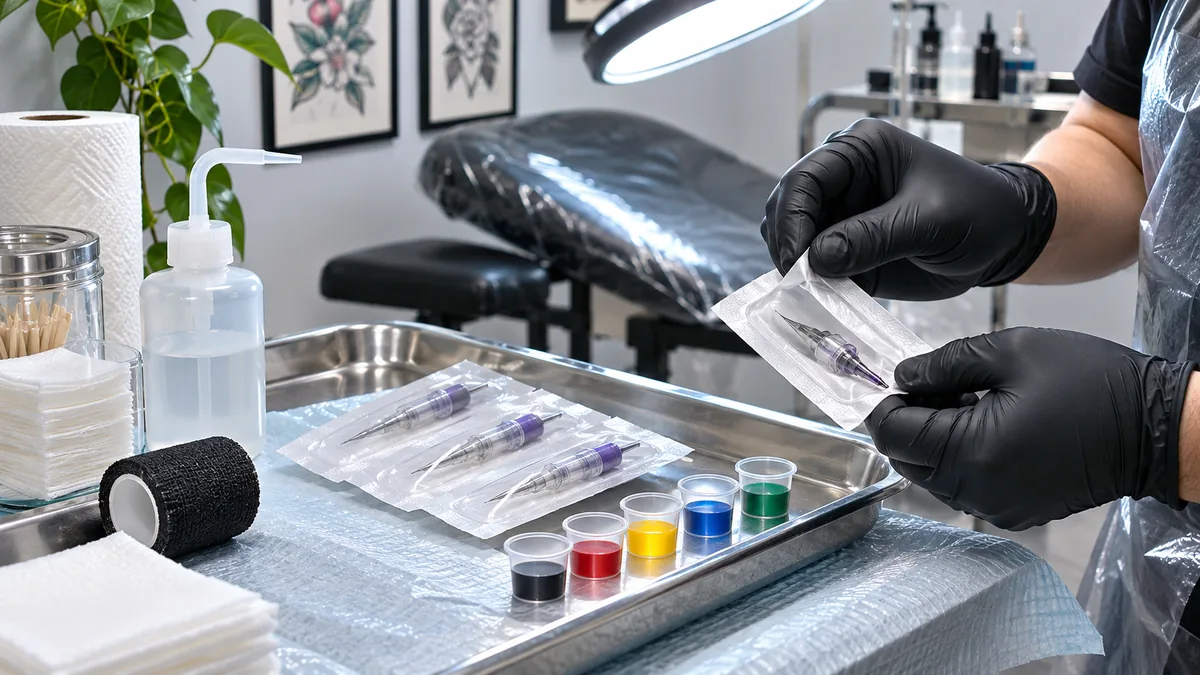
A clean-looking room is a start, not proof that equipment is sterile. Ask to see sealed sterile single-use needles opened for your appointment, how reusable equipment is cleaned and sterilised, how the artist performs hand hygiene and changes gloves, and how ink is dispensed without contaminating the supply.

CDC notes that unsafe instruments can transmit infections and that tattoo ink can become contaminated. If ink needs dilution, ask about sterile water and the studio’s process. If an artist refuses to answer or the setup makes you uncomfortable, it is reasonable to leave.

Agree on money and time

Before paying, ask for the full price or pricing method, deposit amount, cancellation policy and whether changes to the design cost extra. A deposit is not automatically suspicious, but pressure to pay immediately to an unverified personal account is a reason to pause. Keep your receipt.

Finally, ask for written aftercare instructions and plan around swimming, sun exposure and travel. If you are immunocompromised, pregnant, have a skin condition or take medicines that affect healing, discuss your plans with a healthcare professional first. No studio can guarantee a tattoo will be risk-free.
Sak Yant and Studio Tattoos: What Is Different?

Learn about Sak Yant traditions, contemporary tattoo studios, cultural respect and hygiene questions.

A tattoo in Thailand can be a personal artwork, part of a spiritual tradition or both. Sak Yant is often discussed alongside contemporary studio tattooing, but it is worth taking time to understand the people and practices behind it before choosing a design.

What is Sak Yant?

Sak Yant refers to tattooing associated with yantra designs and a range of traditions and beliefs. For some practitioners and wearers, the design and the relationship with the teacher or master carry spiritual meaning. A Thai academic study of one Sak Yant community describes rituals, offerings and beliefs about protection and good fortune. These are beliefs within a living tradition, not medically verified effects.

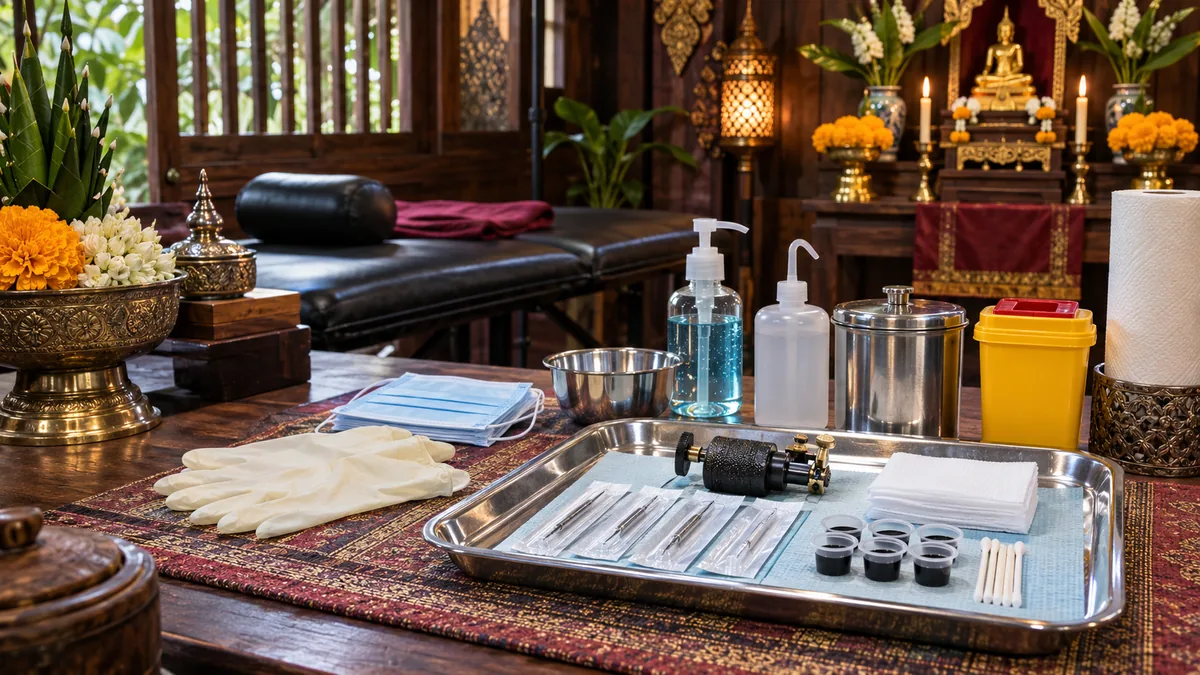
Practices differ between teachers, locations and communities. Some work in temples, others outside them. A hand-applied method may use a long tool, while techniques and equipment can vary; not every Sak Yant practitioner follows the same process.

What about a studio tattoo?

A contemporary tattoo studio may offer custom art, lettering, traditional motifs or many other styles. A machine or hand-applied method can be used depending on the artist. The difference is not simply the tool: the meaning, setting, consultation and expectations may also differ. Some artists work across these categories.

Ask respectfully—and ask about hygiene

If you visit a temple or teacher, dress appropriately, ask before photographing people and follow the site’s instructions. Ask what the design means, whether there are expectations for the recipient and whether the artist is comfortable adapting it. Do not assume a sacred design is interchangeable with a decorative image found online.

Whatever the setting, skin is being broken. Ask about sterile equipment for each client, hand hygiene, ink handling and aftercare. CDC warns that non-sterile tattoo instruments can transmit infections. A cultural experience should not require you to accept unclear hygiene practices.

If you are unsure about a design or the process, take more time. A considered conversation is a better souvenir than a rushed decision.